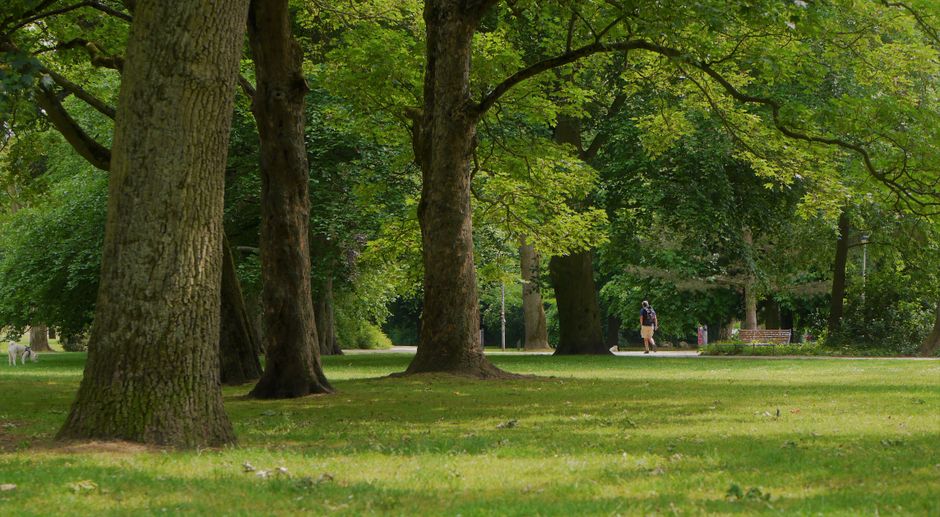
Gardeners for shady lawns Dulwich Park Dulwich Village: practical help for tired grass, patchy shade, and better results
If your lawn sits under mature trees, beside boundary walls, or in a garden that only gets a few hours of light, you already know the story: thin grass, moss creeping in, damp patches, and the odd bald corner that never quite recovers. Gardeners for shady lawns Dulwich Park Dulwich Village are usually called in for exactly that kind of job. Not a dramatic rescue mission, just steady, informed work that gives the turf a fair chance.
And to be fair, shady lawns can be stubborn. They need a different approach from a sun-soaked front garden. This guide walks you through what specialist gardeners actually do, why the local setting matters, how the process works, and what to expect if you are weighing up maintenance, renovation, or a fuller garden refresh. If you are trying to decide whether your lawn can be improved at all, the short answer is yes, often it can - but not by treating it like a sunny lawn.
Why Gardeners for shady lawns Dulwich Park Dulwich Village Matters
Shaded lawns fail for predictable reasons, but the fixes are rarely one-size-fits-all. In places like Dulwich Park and Dulwich Village, gardens often sit under established trees, near high walls, or in sheltered spots that stay cool and damp. That sounds pleasant enough for people. Grass, though, has different ideas.
Limited light slows growth, which means turf becomes thinner and weaker. Less light also gives moss and certain weeds a better foothold. Add foot traffic, compacted soil, or poor drainage, and you get a lawn that looks tired for much of the year. The job of a good gardener here is not simply to mow more often. It is to diagnose why the lawn is struggling and then respond sensibly.
That matters because a shaded lawn can be made better, even if it will never behave like a full-sun pitch. Good gardeners will set realistic expectations. Sometimes the best answer is renovation. Sometimes it is a partial re-turf, overseeding with shade-tolerant grass, or a shift toward a more mixed planting scheme where grass just cannot thrive. A decent professional tells you that plainly. No fluff, no miracle claims.
There is also the local context. Homes near Dulwich Park and around Dulwich Village often have mature, characterful gardens. People usually want the space to look neat, usable, and in keeping with the property. That means the work needs to respect the garden, not bulldoze it into something generic. You can tell when a gardener understands that. The result feels balanced, almost natural, rather than forced.
How Gardeners for shady lawns Dulwich Park Dulwich Village Works
Shady lawn care usually starts with observation. A knowledgeable gardener will look at the amount of daily light, the tree canopy, soil texture, drainage, traffic patterns, and how the lawn has been maintained so far. The first question is rarely "what fertiliser do you use?" It is more often "why is this area struggling in the first place?"
From there, the work tends to follow a few practical stages:
- Assessment: identify shaded zones, moss, bare patches, compaction, and drainage issues.
- Clearance: remove leaves, twigs, thatch, and surface debris that trap moisture and block light.
- Soil improvement: aerate compacted ground so roots can breathe and water can move through more evenly.
- Repair: overseed with grass suited to shade, patch damaged areas, or recommend turf replacement if needed.
- Maintenance: set a mowing, feeding, and watering plan that reflects the actual light conditions.
In many cases, the biggest change is not dramatic on day one. It happens over several weeks as the lawn gets more oxygen, less surface congestion, and a better grass mix. That slow improvement is normal. Truth be told, lawns rarely bounce back overnight, especially in shade. Patience helps.
It is also worth saying that some lawns are shaded by things that can be managed, and some are shaded by things that cannot. If a tree canopy is dense, the lawn may always be a compromise. A good gardener will tell you whether pruning, thinning, or edging changes will help, or whether a different groundcover would be the better call. That kind of honesty saves money and disappointment.
For broader garden care, many homeowners combine lawn work with a wider upkeep plan through garden maintenance or, where the whole space needs a reset, landscaping. If overgrowth is part of the problem, garden clearance may be the sensible first step before any lawn repair begins.
Key Benefits and Practical Advantages
Shady lawn work pays off in ways that are both visible and quietly practical. A lawn that is managed properly in low light tends to look neater, stay healthier, and require fewer rescue jobs later on. That alone makes life easier.
- Better lawn density: the grass fills in more evenly, so the lawn looks less patchy.
- Less moss pressure: improved airflow and surface management reduce the conditions moss likes.
- Cleaner appearance: tidy edges, reduced dead matter, and better growth patterns lift the whole garden.
- More realistic care: mowing, feeding, and watering are adjusted to the actual site, not a generic formula.
- Longer-term savings: investing in the right treatment early can prevent repeated patch fixes that never quite hold.
There is another practical advantage people sometimes miss: a well-managed shady lawn can make the rest of the garden feel bigger. If a lawn is scruffy, the eye goes straight to it. If it is neat and healthy, your borders, seating areas, and paths all feel more intentional. Funny how that works. One patch of grass can change the whole mood.
For families, the benefit may simply be a garden that is more usable underfoot. For keen gardeners, it may be about preserving the traditional look of a lawn in a difficult spot. For busy homeowners, it may just mean less weekend frustration and fewer failed DIY fixes. All valid. All common.
Who This Is For and When It Makes Sense
This kind of service makes sense for anyone who has a lawn in a partly shaded or heavily shaded part of the garden and wants more than a quick tidy-up. It is especially relevant if your lawn is showing one or more of these signs:
- thin or patchy grass in the same areas every year
- visible moss, especially after damp spells
- soil that feels hard or compacted underfoot
- bald patches under trees or along fences
- slow recovery after mowing, foot traffic, or dry weather
- standing water after rain, or a lawn that stays wet for too long
It also makes sense if you are preparing a property for sale, trying to improve kerb appeal, or simply want the garden to feel more finished. A shady lawn can drag down the look of an otherwise lovely outdoor space. In Dulwich, where gardens often have a strong sense of character, that detail matters more than people think.
If you are the type who likes things neat but not overworked, this is probably for you. If you want a perfect striped lawn in deep shade, well, that is where expectations need a little reality check. Could the space be improved? Very likely. Could it become a sun-court lawn? No, not really.
For some properties, a mix of services is the smartest route. For example, an overgrown boundary might need hedge trimming to open up light, while larger structural issues might sit within a broader landscape gardening plan. A lawn does not live alone. It is part of the whole garden system.
Step-by-Step Guidance
If you are wondering what a sensible shady-lawn improvement plan looks like, here is the practical version. No magic, just a sequence that usually makes sense.
1. Confirm how much light the lawn actually gets
Watch the area across a full day if you can. A lawn that gets morning light and afternoon shade is very different from one under a dense canopy all day. That difference changes everything. Even two hours more light can matter more than people expect.
2. Clear away surface debris
Leaves, moss build-up, and thatch all trap moisture and block light. Removing them improves air movement and gives the grass a better start. If there are lots of fallen branches or seasonal clutter, a garden tidy-up first can help the lawn treatment work better.
3. Aerate compacted soil
Compaction is common in shaded lawns, especially where children, pets, or regular foot traffic pass through. Aeration creates small openings so water and oxygen can move into the root zone. It is one of those tasks that looks modest but makes a real difference.
4. Improve the seed mix or turf choice
Not every grass variety suits shade. A gardener with local experience will choose varieties that cope better with lower light and cooler conditions. That does not mean a miracle lawn, but it does mean a more resilient one.
5. Adjust mowing height
Shaded lawns usually need a slightly higher cut than sun-baked ones. Cutting too short weakens the grass and exposes the soil. Let the lawn keep a bit more leaf area so it can photosynthesise efficiently. Simple, but easy to get wrong.
6. Feed carefully, not aggressively
Overfeeding can create weak, fast growth that looks lush for a moment and then collapses. Shade needs moderation. A balanced feeding plan, timed properly, is usually better than a heavy-handed one.
7. Reassess after a few weeks
Check whether the lawn is thickening, whether moss pressure is easing, and whether drainage is improving. If not, the site may need more radical changes, such as selective replanting or reducing shade by pruning. There is no shame in that. Some spaces just ask for adaptation.
Expert Tips for Better Results
Here is where a bit of experience helps. Small adjustments often make the biggest difference in low-light lawns.
- Trim back overhanging growth where possible: even a little extra daylight can help the turf. Sometimes the lawn is not failing, it is just being bullied by shade.
- Keep the lawn cleaner in autumn and winter: wet leaves left on grass are a fast route to weak patches and fungal problems.
- Use a sharp mower blade: a ragged cut tears the grass, which is especially unhelpful when growth is already slow.
- Water deeply but not constantly: shallow, frequent watering encourages weak surface roots.
- Do not chase the lawn every week: in shade, slower growth is normal. Heavy weekly interventions can make things worse.
- Consider edging and border clarity: a clear outline can make a modest lawn look much better, even before the turf fully recovers.
One tiny but useful habit: after rain, look at where puddles sit and where the soil stays dark longest. Those are your clues. A gardener who reads the garden like that tends to get better results than someone who just turns up with a mower and a bag of seed.
If trees are part of the shade issue, careful work may be needed rather than abrupt cutting. In some gardens, tree lopping and removal is considered, but only after checking whether lighter pruning would do the job. Less drastic is often better. Not always, but often.
Common Mistakes to Avoid
Shady lawns can go downhill for fairly predictable reasons. Avoiding these mistakes saves time, money, and a fair bit of annoyance.
Mowing too short
This is the classic one. Short grass in shade struggles to feed itself. The result is thinning, stress, and more weed pressure. People think they are being tidy. The lawn disagrees.
Ignoring the cause of shade
If the problem is a dense hedge, low branches, or a badly placed structure, no amount of feeding will fully solve it. You need to treat the conditions, not just the symptoms.
Using the wrong seed or turf
Some standard lawn mixes are fine in sun but weak in shade. The wrong choice means repeated patching. Choose carefully from the outset.
Overwatering damp areas
Wet shade is a tricky mix. More water is not always better. In some gardens, the issue is drainage, not thirst.
Leaving moss and debris to build up
That soft, spongy layer might look harmless, but it blocks airflow and encourages further decline. Remove it before it becomes a habit.
Expecting instant results
This is the quiet trap. A shady lawn improves gradually. If you expect a perfect finish in a week, you will probably be disappointed. Give it time. The garden is not being difficult on purpose.
Tools, Resources and Recommendations
You do not need an entire van full of specialist kit to improve a shady lawn, but the right tools matter. A gardener working carefully in Dulwich will often use a combination of practical, low-drama equipment and a good eye.
| Tool or method | What it helps with | Why it matters in shade |
|---|---|---|
| Spring-tine rake | Removing moss and debris | Lets air and light reach the surface |
| Lawn aerator | Compacted soil | Helps roots access oxygen and water |
| Sharp mower | Clean cutting | Reduces stress on slower-growing grass |
| Shade-tolerant seed mix | Overseeding and repair | Improves the chances of long-term recovery |
| Soil improver or top dressing | Surface quality and structure | Helps create a better seedbed |
Beyond tools, the best resource is usually a proper site review. That may sound obvious, but many lawns are treated based on appearance alone. A professional assessment looks at slope, shade pattern, traffic, and seasonality. For homeowners who want a broader view of service options, the site's services overview is a useful starting point, and the pricing and quotes page can help you understand how jobs are typically approached before you commit.
Sometimes the smartest recommendation is not more lawn work, but a mix of lawn repair and redesign. A neat paved edge, a shaded border planted properly, or a small seating area can ease pressure on the most difficult grass. That is not "giving up". It is simply designing for the garden you actually have.
Law, Compliance, Standards, or Best Practice
Most shaded lawn work is straightforward garden maintenance, but there are a few practical standards and responsibilities worth keeping in mind. In residential settings, responsible gardeners should work safely, avoid unnecessary damage to trees and structures, and handle waste sensibly. If tree work is involved, that needs a cautious approach, especially where branches overhang neighbouring properties or mature specimens form part of the garden's character.
Health and safety matters too. Working with mowers, aerators, cutting tools, and uneven ground is not trivial. Good practice includes keeping walkways clear, managing trip hazards, using equipment correctly, and protecting nearby planting. That is why it is worth checking a provider's approach to health and safety and insurance and safety before work begins.
There is also a broader environmental angle. In many gardens, especially where shade and moisture are persistent, it makes sense to reduce waste, reuse green material where appropriate, and think carefully about what is removed versus what can be composted or recycled. The site's recycling and sustainability page reflects that practical approach.
If you need to raise a concern or ask about service standards, a provider should have clear contact and complaints information. That kind of transparency is not window dressing. It is a sign that the business is set up to deal with real-world jobs properly, which is what you want.
Options, Methods, or Comparison Table
When a shaded lawn is underperforming, you usually have a few options. The right one depends on how much shade there is, how much wear the lawn gets, and how important a full grass finish is to you.
| Option | Best for | Pros | Limitations |
|---|---|---|---|
| Targeted lawn repair | Light to moderate shade | Keeps the lawn feel, improves patchy areas | May need ongoing care |
| Full renovation | Thin or damaged lawns | Gives a cleaner reset | More disruption and cost |
| Shade-tolerant reseeding | Lawns that still have some structure | Good balance of cost and improvement | Not ideal in very deep shade |
| Partial redesign | Heavy shade or poor drainage | More realistic long-term result | Less lawn area overall |
| Combined maintenance and landscaping | Complex gardens | Solves multiple problems together | Needs more planning |
In practice, many Dulwich gardens end up using a mix of methods. A narrow strip under trees might become a planted border, while the brighter section is repaired as lawn. That hybrid approach often looks more elegant than forcing the whole garden into one idea.
If the garden also needs structural improvements, combining lawn work with decking services or broader landscaping can help define usable zones. It is not all-or-nothing. A garden can have different personalities in different corners.
Case Study or Real-World Example
Here is a realistic example based on the kind of work often seen in shaded south London gardens. A homeowner had a narrow rear lawn that looked fine in spring but went mossy and thin by late summer. The space sat under mature planting on one side and received only brief sun through the middle of the day. Every year they tried feeding it harder. Every year it looked the same. Slightly annoying, really.
The gardener started with a simple assessment and found compacted soil, poor airflow, and a build-up of debris near the shaded edge. Instead of stripping everything out, the lawn was aerated, lightly scarified, and overseeded with a better-suited grass mix. The overhanging growth nearby was reduced just enough to let more light through. The mowing height was then kept a touch higher than before, and watering was cut back to what the site actually needed.
After several weeks, the lawn did not become perfect. That would be nonsense. But it became denser, less patchy, and much easier to maintain. The owner stopped fighting the same problem every month and started working with the garden instead. That is usually the turning point. Not dramatic, just sensible.
In a similar case, a property near a shaded boundary combined lawn work with hedge adjustment and a small cleanup of surrounding beds. The result was not just a better lawn. It was a better-feeling garden. More light, more order, less frustration. Sometimes that is the real win.
Practical Checklist
Use this checklist if you are planning work on a shady lawn and want to stay focused.
- Check how many hours of light the lawn gets in a normal day
- Identify whether the issue is shade, drainage, compaction, or all three
- Clear leaves, twigs, moss, and surface debris
- Decide whether pruning nearby growth would improve light levels
- Choose grass seed or turf suitable for lower-light conditions
- Adjust mowing height to protect stressed grass
- Review whether the area needs aeration or top dressing
- Plan a realistic watering routine
- Consider whether part of the lawn should become planting or hard landscaping
- Ask about safety, insurance, waste handling, and aftercare
If you can tick most of those off, you are in a much better position than someone simply hoping for the best. And let's face it, hope is lovely, but it is not a maintenance plan.
Conclusion
Shady lawns in Dulwich Park and Dulwich Village are not a lost cause. They just need a more thoughtful approach than a standard lawn routine. The right gardener looks at light, soil, drainage, growth patterns, and the wider shape of the garden before recommending a fix. That is what separates a short-term tidy from a lasting improvement.
If you want a lawn that looks cleaner, behaves better, and fits the conditions you actually have, start with an honest assessment and a practical plan. Sometimes that means repairing the grass. Sometimes it means changing the space around it. Either way, the garden can feel better without forcing it into something it is not.
Get a free quote today and see how much you can save.
And if you are standing in the garden this evening, looking at that one stubborn patch under the tree, remember this: a tricky lawn is not a failure. It is just a garden asking for a slightly smarter answer.
Frequently Asked Questions
Can shady lawns actually be improved, or should I replace them?
They can often be improved, especially if the shade is partial rather than deep and constant. If the grass is thin because of compaction, moss, or poor mowing height, a targeted repair plan may work well. If the shade is severe and unchanging, partial replacement with planting or hard landscaping may be more realistic.
What grass grows best in shade?
Shade-tolerant grass mixes usually perform better than standard lawn seed in lower-light gardens. The exact mix depends on the site, but the key is to avoid assuming any old seed will do. A good gardener will match the seed choice to the actual amount of light and wear.
Why does moss keep coming back in my lawn?
Moss usually returns when the conditions suit it better than grass. That often means shade, dampness, compaction, or low fertility. If you only remove the moss without addressing the underlying issue, it tends to come back. A bit like that one drawer at home, really.
How often should a shady lawn be mowed?
It depends on growth rate, but shaded lawns usually need less frequent mowing than sunny ones. More important than frequency is cutting at the right height and not removing too much at once. Short, aggressive cuts tend to weaken shaded grass.
Should I water a shady lawn less than a sunny one?
Usually, yes, but it depends on soil and drainage. Shaded lawns often stay damp for longer, so overwatering can create more problems. The best approach is to water only when the lawn genuinely needs it and to check whether drainage is part of the issue.
Is aeration worth it for a shady lawn?
Very often, yes. Aeration helps relieve compaction and improves the movement of air, water, and nutrients through the soil. In shaded gardens where the ground tends to stay cool and dense, that can make a noticeable difference.
Can tree pruning help the lawn?
It can, if the canopy is blocking too much light. Even small changes to overhanging branches may improve the lawn's chances. That said, any pruning should be done carefully and with the garden's overall shape in mind.
How long does it take to see results?
Some improvements can show within a few weeks, especially after clearing debris and improving airflow. Bigger changes, such as overseeding and soil recovery, may take longer. In shade, patience matters. Fast results are possible, but not guaranteed.
What if my lawn is shaded and also gets lots of foot traffic?
That combination is tough. The lawn will need stronger care, and in some cases the best solution is to reduce the grass area in the busiest spot. A path, stepping stones, or a planted edge can help protect the remaining turf.
Do I need a specialist gardener for a shady lawn?
If the problem is mild, general garden maintenance may be enough. If the lawn has repeated moss, patchiness, or drainage issues, a gardener with experience in shady conditions is more likely to get the diagnosis right and avoid wasted effort.
Will feeding the lawn fix shade problems?
No, not on its own. Feeding helps grass grow, but it does not create light or improve drainage. If the site conditions are poor, fertiliser is only part of the answer. It is helpful, just not magical.
Can a shady lawn still look good in a small London garden?
Absolutely. A small lawn in shade can look neat and attractive if it is managed properly, edged well, and supported by the right planting around it. Sometimes a modest, healthy lawn looks far better than a larger one that is constantly struggling.