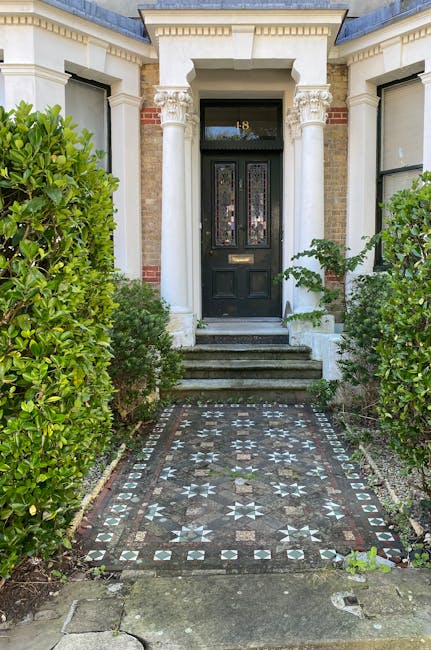
East Dulwich Lordship Lane gardeners for terraced front gardens: a practical guide for neat, welcoming London homes
If you live near Lordship Lane, you probably know the rhythm of the street: busy pavements, constant passers-by, narrow frontage, and not a lot of room for plants to misbehave. That is exactly why East Dulwich Lordship Lane gardeners for terraced front gardens are such a useful service. A small front garden can do a surprising amount of work. It frames the house, softens brickwork, improves first impressions, and-if it is designed well-stays manageable rather than becoming yet another weekend chore.
This guide explains how terraced front gardens in East Dulwich tend to work, what to expect from a good gardener, where people often go wrong, and how to get a front space that looks tidy without feeling overdesigned. We will keep it practical. No fluff, no gardening sermon. Just the kind of advice that helps when your front path is awkward, your soil looks tired, and the lavender has decided to go feral again.
Why East Dulwich Lordship Lane gardeners for terraced front gardens Matters
Front gardens on terraced streets are not the same as big suburban plots. They are usually compact, visible from the road, and part of the everyday view of the home. On Lordship Lane and the surrounding East Dulwich streets, that makes them especially important. A front garden can feel like a tiny stage: if it is cluttered, tired or overgrown, the whole property can seem neglected. If it is well cared for, the house feels brighter, calmer and more lived-in in a good way.
There is also a practical side. Terraced front gardens often need work that is a bit more precise than the average backyard job. Paths may be narrow, access can be awkward, and planting spaces are usually limited. A gardener who understands these constraints will not just "do some tidying"; they will make decisions about scale, drainage, edging, containers, and low-maintenance planting that fit the way terraced homes are actually used.
To be fair, many homeowners start with a simple request: "Can you make it look smarter?" But the real value goes deeper. Good front garden work can reduce ongoing maintenance, improve kerb appeal, and make entering and leaving the house feel less chaotic. You notice it every day, even if you do not consciously think about it.
For people considering a broader garden refresh, it can help to look at the full range of local help through the services overview and get a sense of the company background on the about us page. Those pages are useful when you want to understand whether a gardener is set up for regular upkeep, one-off work, or more detailed front-garden improvements.
How East Dulwich Lordship Lane gardeners for terraced front gardens Works
In practice, a front garden service usually begins with a look at the space as a whole: what gets sun, what stays damp, how much space the planting beds actually have, and how the path, bins, fence line and doorstep all sit together. That first bit matters. A front garden that looks simple from the street can be surprisingly awkward behind the scenes.
The work itself often falls into a few clear stages:
- Assessment: checking the condition of soil, paving, borders, drainage, shrubs and any existing features.
- Clearance: removing weeds, dead growth, litter, unwanted self-seeded plants and anything blocking the front access.
- Reshaping: trimming hedges, pruning shrubs, defining edges and creating a neater structure.
- Replanting or refreshing: adding seasonal plants, evergreen structure or tougher low-maintenance choices.
- Ongoing upkeep: setting a routine so the garden stays presentable, not just tidy for a week.
What makes this service different in a terraced setting is the balance between appearance and practicality. A big border full of plants might look lovely in May, then become a nuisance by August if nobody can reach the path comfortably. A good gardener will think ahead a bit. They will likely ask: how much time do you want to spend maintaining this? Do you want colour, privacy, wildlife value, or simply a neat frontage that does not get out of hand? It sounds obvious, but these answers shape everything.
Good local gardeners also understand that small front gardens need proportion. A tall shrub that works in a bigger plot can overwhelm a terrace. A neat clipped hedge can look sharp, but only if it does not block light or make the entrance feel boxed in. The result should feel like part of the street, not a fight with it.
Key Benefits and Practical Advantages
There are several reasons homeowners choose specialist help for terraced front gardens rather than trying to manage everything themselves. None of them are flashy. That is the point.
- Better kerb appeal: a tidy front garden can make the whole house look more cared for.
- Less regular stress: structured planting and clear edges reduce the feeling that the space is always "nearly done".
- Smarter use of limited space: narrow plots benefit from thoughtful layout rather than random planting.
- Safer access: clear paths and controlled growth make entry easier, especially in wet weather.
- Better seasonal performance: the right plants can still look good with less fuss.
- More consistent standards: a scheduled maintenance approach avoids the boom-and-bust cycle of doing everything at once.
There is also a quiet emotional benefit. A front garden that looks calm tends to make the whole home feel calmer. You come out in the morning, see clean lines, a few healthy plants, maybe some mulch holding the moisture in, and the day starts a bit better. Small thing, really. But small things count.
If you are comparing providers, it helps to ask about pricing transparency early. A page like pricing and quotes can tell you how the company handles estimates, which is useful when you are trying to decide between a one-off tidy-up and regular garden maintenance.
| Garden approach | Best for | Typical strengths | Watch-outs |
|---|---|---|---|
| Simple tidy and prune | Overgrown but otherwise sound front gardens | Fast improvement, low disruption | May not solve layout or planting problems |
| Low-maintenance redesign | Busy households, small terraces, rental properties | Easier upkeep, cleaner structure | Needs good plant selection and a sensible brief |
| Seasonal refresh | Homes that already have a decent layout | Fresh colour and neat presentation | Requires regular follow-up to stay sharp |
| Regular maintenance plan | Owners who want consistent presentation | Reliable standard all year | Needs commitment, even if light-touch |
Who This Is For and When It Makes Sense
This kind of gardening support makes sense for quite a few different people. The obvious one is the busy homeowner who wants the front of the house to look decent without spending Saturday mornings on border edging and pruning. But there are other cases too.
You might want help if you have just moved into a terrace and the front garden feels neglected, or if you are preparing to sell and want the exterior to make a better first impression. Landlords often need front gardens kept tidy between tenancies. Older residents may simply want the job done properly and safely, without climbing awkward steps or wrestling with heavy tools. And then there are people who actually enjoy gardening, but not the repetitive bits. Fair enough.
It also makes sense if the space has practical problems. Maybe the path is disappearing under weeds. Maybe a shrub has grown too large for the frontage. Maybe the house looks dark because the planting is too dense. Maybe the soil dries out badly in summer and turns muddy in winter. A skilled gardener can help solve those issues in a measured, realistic way.
One of the most common situations in East Dulwich is the "small front garden, big expectations" problem. Homeowners want it neat, welcoming and a bit distinctive, but they do not want to spend a lot of time on it. That is exactly where a good gardener earns their keep.
Step-by-Step Guidance
If you are planning work on a terraced front garden, the process is easier when it is broken into sensible steps. Rushing straight into planting is how people end up with the wrong shrubs in the wrong place. A bit of patience saves money later.
- Look at the space in daylight. Notice what gets sun, what stays shaded, and where water collects after rain.
- Decide the main goal. Do you want neatness, privacy, colour, lower upkeep, wildlife value, or a combination?
- Clear out the obvious problems. Remove dead growth, self-seeded weeds, broken pots, and anything blocking the entrance.
- Define the structure. Edges, borders, paving lines and container placement should be clear before you add new plants.
- Choose a simple planting palette. In a small terrace, too many varieties can look messy fast. A controlled mix usually works better.
- Set a maintenance rhythm. Decide whether the garden needs monthly, seasonal or more frequent attention.
Here is the useful bit: the best front gardens are not always the most elaborate ones. In a narrow urban setting, restraint often wins. One well-placed shrub, a tidy line of edging, a couple of reliable seasonal plants, and a clean path can look much better than a crowded display that needs constant rescue.
If you want to keep the job smooth from the start, review service details, working standards and the company's general approach on the services overview. And when you are ready to make contact, the contact page is the sensible next step. Nothing fancy, just practical.
Expert Tips for Better Results
After enough work on compact front gardens, a few patterns become very clear. These are the details that make a difference.
- Keep the palette tight. Two or three plant types repeated neatly usually look more deliberate than a random mix of ten.
- Use evergreen structure. In London, a front garden needs something that looks presentable even in grey months.
- Respect the path line. Plants should not make the entrance feel squeezed.
- Think in layers. Low edging, mid-height planting and one or two stronger focal points often work best.
- Leave room for maintenance. If a plant looks beautiful but cannot be reached without doing yoga, it is probably the wrong plant.
- Mulch after planting. It helps suppress weeds and keeps the soil looking finished, not bare and dusty.
One small but important point: terraced front gardens often benefit from a "less but better" approach. That phrase gets thrown around a lot, I know, but it really fits here. A front garden can become too busy very quickly. The trick is to make it feel intentional from the pavement side. A passer-by should see order first, then detail.
Another tip is to be honest about maintenance. If you travel a lot or simply do not want constant gardening, say so. A decent gardener can work with that. There is no shame in wanting a space that survives on light care and the odd trim. Truth be told, most people do.
Common Mistakes to Avoid
Small front gardens are unforgiving. They do not have much room to hide mistakes, which is why a few common errors keep cropping up.
- Choosing plants that outgrow the space. A shrub that looks fine in the pot may swamp a terrace border within a season or two.
- Overcrowding from the start. New planting often looks sparse at first, but filling every gap leads to congestion later.
- Ignoring drainage. Wet, compacted soil causes headaches, especially in shaded front gardens.
- Leaving access as an afterthought. If the path is awkward now, it will feel worse once the plants mature.
- Trying to make it "low maintenance" without a plan. Low maintenance is not no maintenance. That is a trap people fall into all the time.
- Cutting everything back too hard. Some shrubs do not like aggressive pruning and can look stressed or bare for months.
Another subtle mistake is ignoring the street context. On Lordship Lane and nearby roads, a front garden sits in a line of other terraces. If yours is wildly taller, messier or brighter than the rest, it can stick out for the wrong reasons. That does not mean it has to be bland. It just needs balance. A little personality, yes. Chaos, no.
If you are unsure how a gardener handles issues like waste removal, site safety or insurance, it is worth reading the company's insurance and safety information and health and safety policy. Those pages are useful signals of how seriously the work is treated.
Tools, Resources and Recommendations
For terraced front gardens, the right tools are usually ordinary rather than fancy. Good pruning shears, a sturdy trowel, a hand fork, edging tools, a rake, watering cans or hose access, gloves and waste bags will cover a lot of ground. If there is a lot of clearance work, then wheelbarrows, loppers and tougher cutting tools may come into play.
More important than the tools themselves is how they are used. A clean cut is better than a ragged one. A sharp edge along a border can transform the look of a front garden in ten minutes. And if there is an awkward shrub next to a narrow path, a careful approach matters more than speed. That sounds obvious, but you would be surprised how often speed wins the argument.
For practical service planning, the most useful internal pages are usually the ones that tell you how a business works, what it offers, and how it handles admin. You may also find it helpful to review the company's recycling and sustainability information, especially if you want clippings, soil and green waste handled responsibly, and the payment and security page if you prefer to understand the transaction side before booking. It is boring, yes, but boring details are often the ones that prevent headaches later.
Recommended homeowner habits are simple:
- Keep a basic note of what was planted and when.
- Check for weeds after wet weather, when they are easiest to pull.
- Trim before growth becomes untidy rather than waiting for a major reset.
- Water new planting consistently during dry spells.
Law, Compliance, Standards, or Best Practice
For most front-garden work, the main concern is not legal complexity but sensible practice. That said, good gardeners still need to work carefully and responsibly. This includes respecting property boundaries, dealing safely with tools and waste, and avoiding damage to neighbouring areas or shared access points.
In a terraced setting, access is often close to the pavement and sometimes close to shared walls or railings. That means a tidy working method matters. Materials should not spill into the street. Cuttings should be cleared promptly. Tools should be handled safely, especially where children, pets or pedestrians may pass by. A homeowner does not want a beautiful front garden and a messy aftermath.
Best practice also includes honest communication. If a job is only partially possible because of access or plant condition, that should be explained plainly. If a feature might need follow-up rather than a single visit, that should be made clear too. Good gardening advice is measured, not overconfident.
When choosing a service, it is reasonable to look at pages such as the terms and conditions, privacy policy and accessibility statement. These pages are not glamorous, but they help show how the business approaches customer care, information handling and fair process. If something goes wrong, the complaints procedure is useful to know about too. Nobody plans to use it, obviously, but it is reassuring when it exists.
One final note: if you are commissioning work through a contractor, it is sensible to understand how the business presents its operational standards. That is part of trust. Not excitement. Trust.
Options, Methods, or Comparison Table
Different front gardens need different approaches. A quick comparison can help you decide which style suits your terrace and your patience level.
| Method | What it includes | Good for | Less suitable for |
|---|---|---|---|
| One-off tidy-up | Clearance, pruning, edging, basic reset | Overgrown gardens, pre-sale refresh | Long-term presentation without follow-up |
| Seasonal refresh | Plant replacement, soil improvement, light reshaping | Homes wanting colour changes through the year | Spaces that need structural redesign |
| Ongoing maintenance | Regular trimming, weeding, and tidying | Busy households, landlords, neat-frontage homes | Very low-use gardens with no ongoing interest |
| Low-maintenance redesign | Reworking layout, plant choice, edging, mulch | People who want a simpler long-term routine | Homeowners wanting a highly planted, seasonal display |
The decision usually comes down to time, budget and how much change you actually want. If the space is basically fine but messy, a tidy-up may do the job. If the garden is always failing in the same way, a redesign is usually smarter. And if you want the front of the house to stay consistently presentable, maintenance is the steady answer. Not flashy, just effective.
Case Study or Real-World Example
Here is a realistic example. A terraced house near Lordship Lane has a narrow front garden with a cracked path, a tired shrub near the step, weeds in the border and a couple of containers that never quite looked right. The owner wants it to feel cleaner and less cluttered, but they do not want a dramatic overhaul.
A sensible gardener would likely start by clearing the weeds, cutting back the oversized shrub, and redefining the border edges. If the soil is poor, a small amount of improvement and mulch would help. The containers might be moved or replaced so the entrance feels more open. A few evergreen plants, maybe paired with seasonal colour, would give the frontage structure without making it busy. The result? A home that looks looked-after every time someone walks up the path.
And that is really the heart of it. The job is not about making a front garden Instagram-perfect. It is about making it feel right for the house, the street and the people living there. A bit of polish, a bit of restraint, and a clear plan. Simple enough in theory, harder in practice, which is why local know-how helps.
If a homeowner wanted to take the next step after that first visit, they would usually ask about ongoing upkeep, quoting, and the scope of future visits. That is where the practical side of service information becomes useful again, especially the pricing and quotes page and the business background on about us.
Practical Checklist
Use this simple checklist before booking work on a terraced front garden.
- Is the main goal tidy-up, redesign, or regular maintenance?
- Does the front garden need drainage, soil, or planting improvements?
- Are the current plants too large, too crowded or too weak for the space?
- Is the path clear and safe to walk on in wet weather?
- Do you want the garden to stay low maintenance or have seasonal colour?
- Have you checked how waste, access and follow-up visits will be handled?
- Do you understand the quote, payment process and any terms involved?
- Will the final layout suit the frontage and the rest of the terrace?
Expert summary: for small East Dulwich front gardens, the best results usually come from simple structure, reliable planting and clear maintenance habits. If a gardener understands the limitations of terrace properties, the space tends to look better for longer, with less fuss. That is the sweet spot.
Get a free quote today and see how much you can save.
Conclusion
East Dulwich Lordship Lane gardeners for terraced front gardens are about more than cutting back a few plants. Done well, the service helps a small and visible space feel orderly, welcoming and easy to maintain. That matters on a street where every frontage is part of the wider picture. A terraced front garden does not need to be elaborate to make an impact. It just needs good judgement, a realistic plan and regular care that fits the way you live.
If your front garden has become one of those jobs you keep meaning to sort out, that is perfectly normal. Most people do not need a grand redesign; they need a practical, sympathetic improvement that holds up after the first tidy-up. Get that right, and the whole house lifts a little. Quietly, but noticeably.
Sometimes the best gardens are the ones that simply make coming home feel nicer. And honestly, that is no small thing.
Frequently Asked Questions
What do East Dulwich Lordship Lane gardeners for terraced front gardens usually do?
They typically handle clearance, pruning, edging, weeding, planting, and general front-garden upkeep. In a terraced setting, the work often focuses on making a compact space look tidy, balanced and easy to maintain.
How often should a terraced front garden be maintained?
It depends on the planting and how quickly the space grows, but many front gardens benefit from seasonal or monthly attention. Small gardens can slip from neat to messy quite quickly, especially in spring and early summer.
Is a front garden redesign worth it for a small terrace?
Yes, if the current layout is awkward, overgrown or hard to maintain. A better layout and a few sensible plant choices can make a small space much easier to live with. Sometimes a redesign saves time in the long run.
What plants work best in narrow front gardens?
Tough, well-behaved plants usually work best: compact evergreens, reliable perennials and seasonal colour that does not overwhelm the path. The exact choice depends on sun, shade, and how much maintenance you want.
How do I keep a front garden low maintenance without making it boring?
Use a simple structure, repeat plants rather than cramming in lots of different ones, and rely on good edging and mulching. A low-maintenance garden can still look attractive. It just needs discipline, really.
Can a gardener help if my front garden is overgrown and messy?
Absolutely. A one-off tidy-up is often the best first step. That usually includes cutting back growth, removing weeds, and resetting the borders so you can see the space properly again.
What should I ask before booking garden work?
Ask what is included, how long the job is likely to take, whether waste removal is covered, how pricing works, and whether follow-up visits may be needed. Clear answers early on make the whole process smoother.
Do terraced front gardens need special care because of limited space?
Yes. Limited space means every decision matters more. Plants need to suit the scale of the frontage, and the path, step and entrance area should stay clear. Small mistakes show up fast in a terrace.
How do I know if I need ongoing maintenance rather than a one-off visit?
If the garden keeps drifting back into disorder within a few weeks or months, ongoing maintenance is probably the better option. If the space is mostly fine but just needs a reset, a one-off visit may be enough.
Are quotes for front garden work usually fixed or estimated?
That varies by job. Simple tidy-ups are often easier to estimate, while larger or more awkward spaces may need a tailored quote after assessment. If you want clarity, check the provider's pricing information first.
Why does kerb appeal matter so much for terraced homes?
Because the front garden is part of the first impression every single day. A neat frontage can make the property feel cared for, calmer and more inviting. It is a small area with an outsized effect.
What if I want the garden to be better for wildlife as well as neat?
That can work very well. The trick is to choose planting that supports insects and birds without letting the space become unruly. A good gardener can usually balance structure with biodiversity in a modest front garden.